
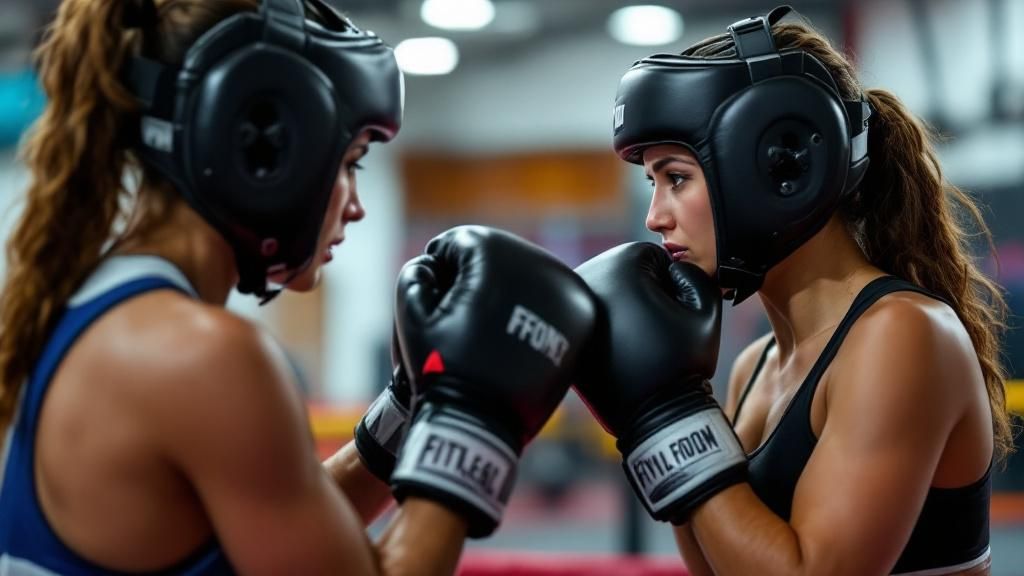
Women’s boxing has undergone a remarkable surge in interest across the UK, with engagement levels climbing steadily over recent years. This growth has encouraged training centres nationwide to develop their dedicated combat sports offerings, recognising the demand for quality training spaces tailored to female boxers. From specialist boxing venues to traditional fitness centres, the facilities serving women’s combat sports has never been more robust. This article explores the key factors behind this transformation and examines how enhanced amenities are reshaping the landscape of women’s boxing in Britain.
The Increasing Wave of Female Boxers
The increase in female boxing involvement represents a significant cultural shift within the fitness industry. Over the last five years, participation numbers have grown exponentially, with women now comprising an increasingly substantial share of boxing gym memberships across the country. This shift in demographics shows changing attitudes towards fighting sports and female athleticism, alongside growing awareness of boxing’s exceptional fitness and conditioning advantages. Fitness centres have responded eagerly to this interest, acknowledging that female boxers constitute both a loyal and expanding customer base.
Beyond simple statistics, this trend reflects deeper societal shifts regarding women’s involvement with traditionally male-dominated sports. Female boxers currently enjoy greater visibility through broadcast coverage, professional opportunities, and exemplary athletes competing at elite levels. Local programmes and community-based schemes have substantially expanded access to boxing training, inspiring women from varied communities to take up the sport. The synergy between enhanced infrastructure, supportive environments, and increased cultural acceptance has established an historic opening for women to pursue boxing seriously, whether for health and wellbeing, organised contests, or personal empowerment.
Gym Infrastructure Expansion Throughout the UK
The development of combat sports spaces across the UK has been absolutely remarkable. Major metropolitan areas including London, Manchester, and Birmingham have seen significant investment in dedicated combat sports spaces, with gyms fitting high-quality apparatus purpose-built for boxing training. These venues now include multiple heavy bags, speed balls, and modern ring installations. Gym operators have identified that women participants need specialised environments where they are able to train safely and with confidence, resulting in the establishment of female-only classes and female-oriented training initiatives that cater to varying skill levels and background.
Beyond the principal cities, local fitness facilities have similarly adopted this expansion trend, refurbishing their spaces to accommodate rising quantities of female participants. Neighbourhood facilities and standalone boxing venues have committed significant resources in upgrading their infrastructure, understanding that quality facilities have a strong connection with participant retention and contentment. Numerous gyms now engage female coaches and trainers who offer significant experience and relatability to the sport. This widespread investment reflects the sincere support from gym owners to advance women’s boxing, making certain that aspiring boxers across the UK have entry to elite training facilities regardless of their geographical location.
Overcoming Barriers and Changing Perceptions
The expansion of boxing facilities for women has substantially altered societal attitudes towards female participation in combat sports. Historically perceived as a male-dominated domain, boxing is now increasingly recognised as an welcoming sport accepting participants of any gender. Better equipped gyms has normalised women’s presence in training environments and competition venues, challenging traditional misconceptions. This social change reflects wider transformations in how society views female strength and athletic prowess, motivating more women to take up boxing without worry about social disapproval or bias.
Dedicated women’s boxing initiatives have demonstrated vital in building confidence among those new to the sport. Professional coaching tailored workout plans, and supportive community environments provide spaces where women are empowered to enhance their skills. Many gyms now provide female-only sessions and women-centred coaching staff, tackling traditional barriers that historically prevented participation. These modern schemes illustrate that reducing obstacles and supplying suitable facilities directly leads into higher engagement, significantly changing attitudes towards women’s boxing within popular fitness culture.
The Future of Women’s Boxing in the United Kingdom
The progression of women’s boxing in Britain looks exceptionally promising, with industry experts predicting sustained development over the next few years. As more gyms allocate funding for modern training infrastructure and specialised coaching programmes, opportunities for aspiring female boxers will certainly enhance. This facility expansion, combined with greater media attention and commercial partnerships, places women’s boxing as a authentic mainstream sport. The momentum currently driving participation indicates that boxing will emerge as an increasingly integral part of Britain’s sports culture.
Looking ahead, the emphasis must remain on nurturing talent at community level whilst creating inclusive environments that welcome boxers of all abilities. Continued collaboration between gyms, regulatory authorities, and local organisations will remain crucial in supporting continued growth. Moreover, funding for coaching qualifications and athlete development pathways will ensure the sport benefits from high standards. As women’s boxing maintains its growth, Britain stands poised to become a leading force in nurturing the next cohort of top female boxers on both national and international stages.
