
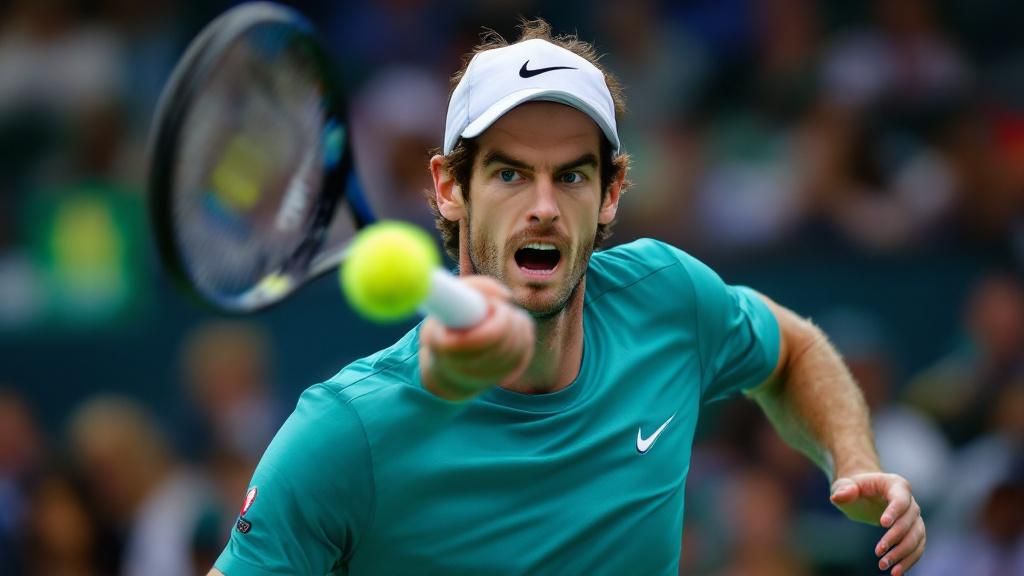
Andy Murray’s carefully orchestrated comeback to competitive tennis has disrupted the British sporting establishment, indicating a likely revival for the nation’s most decorated player. Following his major surgical procedure, Murray’s strategic return to competitive play promises to reshape the state of British tennis, motivating a new generation whilst reigniting hopes of further Grand Slam glory. This article explores how his careful strategy to tournament competition is influencing developmental programmes, mentoring emerging talent, and repositioning Britain as a formidable force in world tennis.
The Returning Champion
Andy Murray’s re-entry into professional sport represents far more than a personal achievement; it symbolises resilience and determination that reverberates through British sport. After facing a serious hip procedure that threatened his career, many wondered whether the thrice Grand Slam victor would ever perform at elite level once more. His choice to attempt a return, however, displays steadfast dedication to his sport and an indomitable spirit that has characterised his professional journey. The sporting world observes with keen interest as Murray confronts this critical juncture, demonstrating that age and injury need not dictate an athlete’s path or competitive ambitions.
The ramifications of Murray’s comeback plan go far past his personal results on court. His presence in professional tournaments revitalises British tennis, delivering a concrete demonstration of determination to emerging athletes facing their own obstacles. Moreover, his return story delivers crucial guidance in emotional resilience and athletic recuperation, establishing new standards for career longevity. As Murray plays again, he simultaneously mentors the younger cohort, creating a connection between proven success and new potential that bolsters the whole British tennis landscape.
Impact on British Tennis Growth
Murray’s comeback to competitive play has generated significant momentum within the British tennis system. His presence at top-tier events boosts the sport’s profile within the UK, attracting greater funding in young player training schemes and training facilities. The ripple effects reach past top-level competition, motivating community involvement and encouraging national organisations to emphasise talent spotting and support structures for up-and-coming British talent.
Mentoring and Support
Beyond his on-court performances, Murray has assumed an growing significant mentoring role within the British tennis community. His willingness to share experience gained from performing at the highest level provides essential support to younger players navigating their own professional paths. This informal coaching influence enhances established programmes, offering practical insights into tournament preparation, psychological strength, and handling professional expectations.
Murray’s openness to up-and-coming athletes marks a shift away from traditional hierarchies in professional athletics. By collaborating with talented emerging athletes, he shows dedication to the collective progress of British tennis. His guidance stretches further than technical coaching, covering strategic career guidance, commercial arrangements, and mental approaches vital to achieving enduring success at international level.
- Provides expert advice on event choice and planning
- Shares mental resilience methods built over career
- Facilitates introductions to training and support staff networks
- Demonstrates workplace excellence through consistent work ethic
- Encourages equilibrium between drive and individual health
Competitive Performance and Rankings
Murray’s return to competitive play has exhibited considerable mental strength, with his statistical indicators revealing a athlete seeking to recapture his standing among the sport’s top players. Despite the constant physical pressures of professional competition, his ranking trajectory has steadily improved, showcasing his technical proficiency and mental fortitude. His successes against recognised opponents have sparked renewed debate about his capacity to challenge for Grand Slam honours, whilst at the same time offering valuable data on his rehabilitation status and playing condition.
The deliberate strategy of Murray’s tournament selection has proven instrumental in overseeing his recovery whilst maintaining competitive edge. By thoughtfully juggling elite-level events with adequate recovery periods, he has enhanced his performance trajectory without compromising lasting viability. His achievements have energised UK tennis fans and analysts alike, demonstrating that prior injuries and advancing years need not reduce a player’s competitive ambitions or accomplishments at the highest echelons of professional sport.
Upcoming Opportunities and Impact
Andy Murray’s strategic return to the professional circuit has significantly transformed understandings of what represents a thriving career in tennis. His careful strategy demonstrates that extended careers and focused competition can coexist bodily constraints, delivering meaningful guidance to emerging competitors worldwide. The broader impact of his comeback go further than individual success; Murray’s presence on the circuit energises the British tennis system, generating investment and media attention once allocated to other areas. His influence on younger players illustrates how seasoned expertise and determination go beyond conventional career trajectories, creating updated measures for competitive determination.
Looking forward, Murray’s legacy will undoubtedly comprise more than tournament victories and ranking positions. His focus on nurturing rising British players has established a sustainable pathway for the next generation of competitors aiming for international success. By balancing competitive ambitions with mentoring obligations, Murray has positioned himself as both competing player and guardian of British tennis’s future. This two-fold responsibility strengthens the nation’s competitive infrastructure whilst ensuring his substantial knowledge benefits the sport well beyond his final competitive involvement, cementing his status as pivotal force within British sporting history.
